How To Grow Hydrangeas Indoors For A Summer Of Blooms
Introduction
Hydrangeas are beautiful flowering shrubs that are often grown outdoors. However, they can also be successfully grown indoors. If you live in a cold climate or simply don't have enough space for an outdoor hydrangea, growing them indoors is a great option.
With a little care and attention, you can enjoy hydrangea blooms all summer long. In this blog post, I will share some tips on how to grow hydrangeas indoors.
Main Content
1. Choose the right variety
The first step is to choose the right variety of hydrangea for indoor growing. There are many different varieties of hydrangeas, but not all of them are suitable for indoor conditions. Some varieties are more tolerant of low light and cool temperatures than others.
If you live in a warm climate, you may be able to grow a hardy outdoor variety indoors during the winter months. However, if you live in a cold climate, you will need to choose a variety that is specifically designed for indoor growing.
Some popular varieties of hydrangeas for indoor growing include:
- Hydrangea macrophylla (bigleaf hydrangea): This is a popular variety that is known for its large, showy blooms. It is relatively easy to care for and can be grown in a variety of light conditions.
- Hydrangea serrata (mountain hydrangea): This variety is a bit more challenging to grow than bigleaf hydrangea, but it is well worth the effort. It produces smaller blooms, but they are just as beautiful.
- Hydrangea paniculata (panicle hydrangea): This variety is a good choice for those who live in warm climates. It is known for its large, cone-shaped blooms.
2. Provide the right conditions
Once you have chosen the right variety, you need to provide the right conditions for your hydrangea to thrive. Hydrangeas need bright, indirect light. If you live in a sunny climate, you may need to protect your hydrangea from direct sunlight.
Hydrangeas also need moist soil. However, it is important not to overwater your hydrangea, as this can lead to root rot. Water your hydrangea when the top inch of soil is dry.
Hydrangeas prefer cool temperatures. The ideal temperature range for hydrangeas is 50-65 degrees Fahrenheit. If your home is too warm, you may need to move your hydrangea to a cooler location.
3. Fertilize regularly
Hydrangeas need regular fertilization to bloom their best. You can fertilize your hydrangea every two weeks with a balanced fertilizer.
4. Prune in the spring
Hydrangeas should be pruned in the spring to encourage new growth and blooms. Prune your hydrangea by removing any dead, diseased, or damaged branches. You can also lightly trim the overall shape of your hydrangea.
5. Overwinter indoors
If you live in a cold climate, you will need to overwinter your hydrangea indoors. To do this, move your hydrangea to a cool, dark location. Water your hydrangea sparingly during the winter months.
Conclusion
With a little care and attention, you can grow hydrangeas indoors and enjoy their beautiful blooms all summer long. By following the tips in this blog post, you can ensure that your hydrangeas are healthy and thriving.
Hydrangeas are beautiful flowering plants that can be enjoyed indoors or outdoors. If you're thinking about adding a hydrangea to your home, I recommend starting with a house plant. House hydrangeas are relatively easy to care for and can provide you with years of enjoyment.
Here are some tips for caring for a hydrangea house plant:
- Place your hydrangea in a spot that receives bright, indirect sunlight.
- Water your hydrangea regularly, but be careful not to overwater.
- Fertilize your hydrangea every few weeks during the spring and summer.
- Prune your hydrangea in the fall to encourage new growth.
For more information about caring for hydrangea house plants, I recommend visiting . This website has a wealth of information on hydrangeas, including care tips, varieties, and troubleshooting advice.
FAQ of hydrangea house plant
1. How do I care for a hydrangea house plant?
Hydrangea house plants are relatively easy to care for, but there are a few things you need to keep in mind. They need bright, indirect sunlight, moist but well-draining soil, and regular watering. You should also fertilize them every few months with a balanced fertilizer.
2. What are the signs of a sick hydrangea house plant?
There are a few signs that your hydrangea house plant might be sick. These include:
- Wilting leaves
- Yellowing leaves
- Brown spots on the leaves
- Pests or diseases
If you notice any of these signs, it's important to take action to correct the problem. Wilting leaves can be a sign of underwatering, while yellowing leaves can be a sign of overwatering or nutrient deficiency. Brown spots on the leaves can be a sign of pests or diseases.
3. How do I propagate a hydrangea house plant?
There are two main ways to propagate a hydrangea house plant: by stem cuttings and by division.
To propagate by stem cuttings, you will need to take a 4-6 inch cutting from a healthy plant. The cutting should have at least 3-4 leaves. Dip the cutting in rooting hormone and plant it in a pot of moist potting mix. Keep the soil moist and the cutting in a warm, bright location. The cutting should root in 4-6 weeks.
To propagate by division, you will need to carefully dig up a mature plant and divide it into two or more sections. Each section should have at least 3-4 roots. Plant the divisions in separate pots of moist potting mix. Keep the soil moist and the divisions in a warm, bright location. The divisions should establish themselves in 4-6 weeks.
4. What are the different types of hydrangea house plants?
There are many different types of hydrangea house plants, but some of the most popular include:
- H. macrophylla: This is the most common type of hydrangea house plant. It has large, showy flowers that can be blue, pink, or white.
- H. serrata: This type of hydrangea has smaller flowers than H. macrophylla, but they are more fragrant.
- H. petiolaris: This type of hydrangea is a climbing hydrangea that can grow up to 20 feet tall. It has small, white flowers that bloom in the summer.
5. What are the benefits of having a hydrangea house plant?
Hydrangea house plants are beautiful and add a touch of elegance to any home. They are also relatively easy to care for, making them a good choice for busy people. In addition, hydrangeas are known to purify the air, so they can help to improve the quality of your indoor air.
Image of hydrangea house plant
5 different images of "hydrangea house plant" from Pinterest:
- Hydrangea Paniculata "Limelight"

This type of hydrangea is known for its large, lime green flowers. It is a relatively easy houseplant to care for, and it can thrive in a variety of conditions.
- Hydrangea Macrophylla "Nikko Blue"
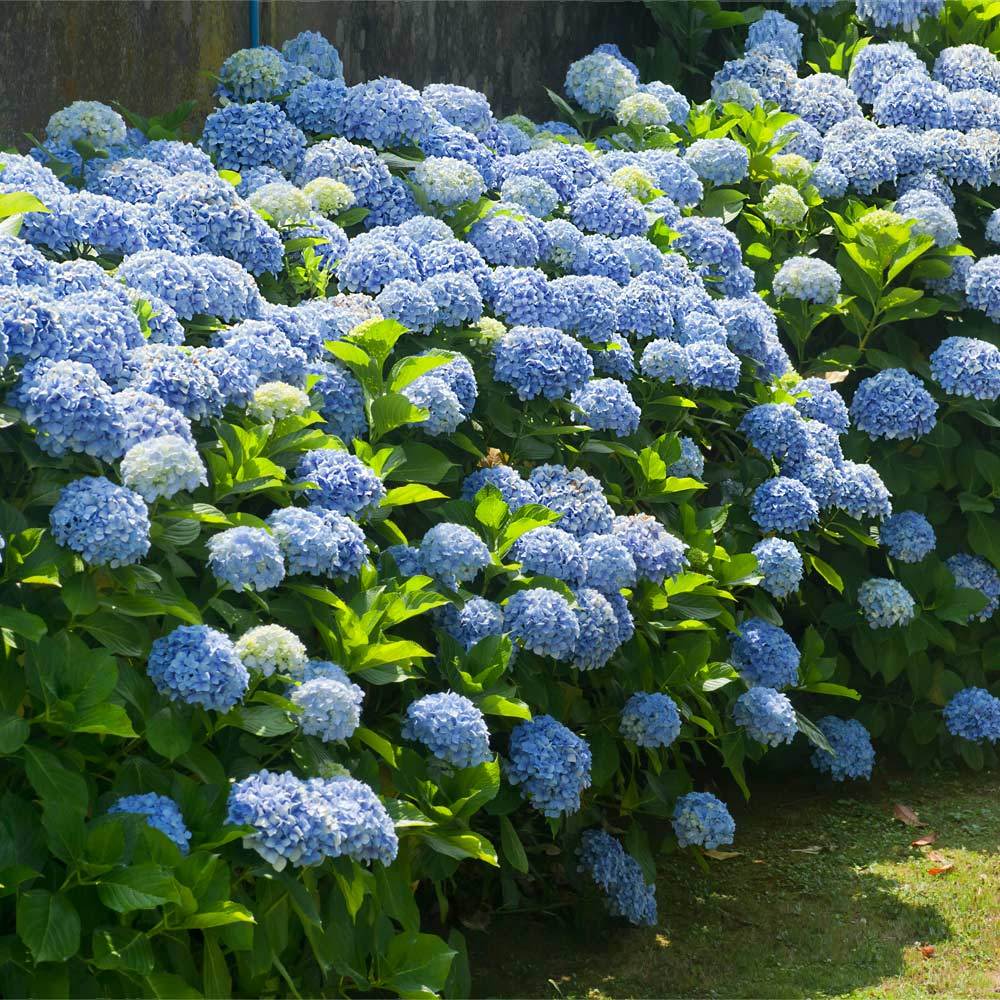
This type of hydrangea is known for its large, blue flowers. It is a bit more difficult to care for than the "Limelight" variety, but it is still a popular choice for houseplants.
- Hydrangea Arborescens "Annabelle"
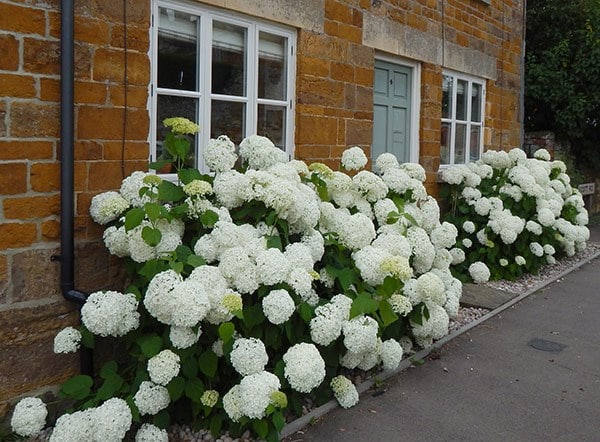
This type of hydrangea is known for its large, white flowers. It is a very easy houseplant to care for, and it is a popular choice for beginners.
- Hydrangea Serrata "PeeGee Blue"
This type of hydrangea is known for its small, blue flowers. It is a bit more difficult to care for than the "Annabelle" variety, but it is still a popular choice for houseplants.
- Miniature Hydrangea
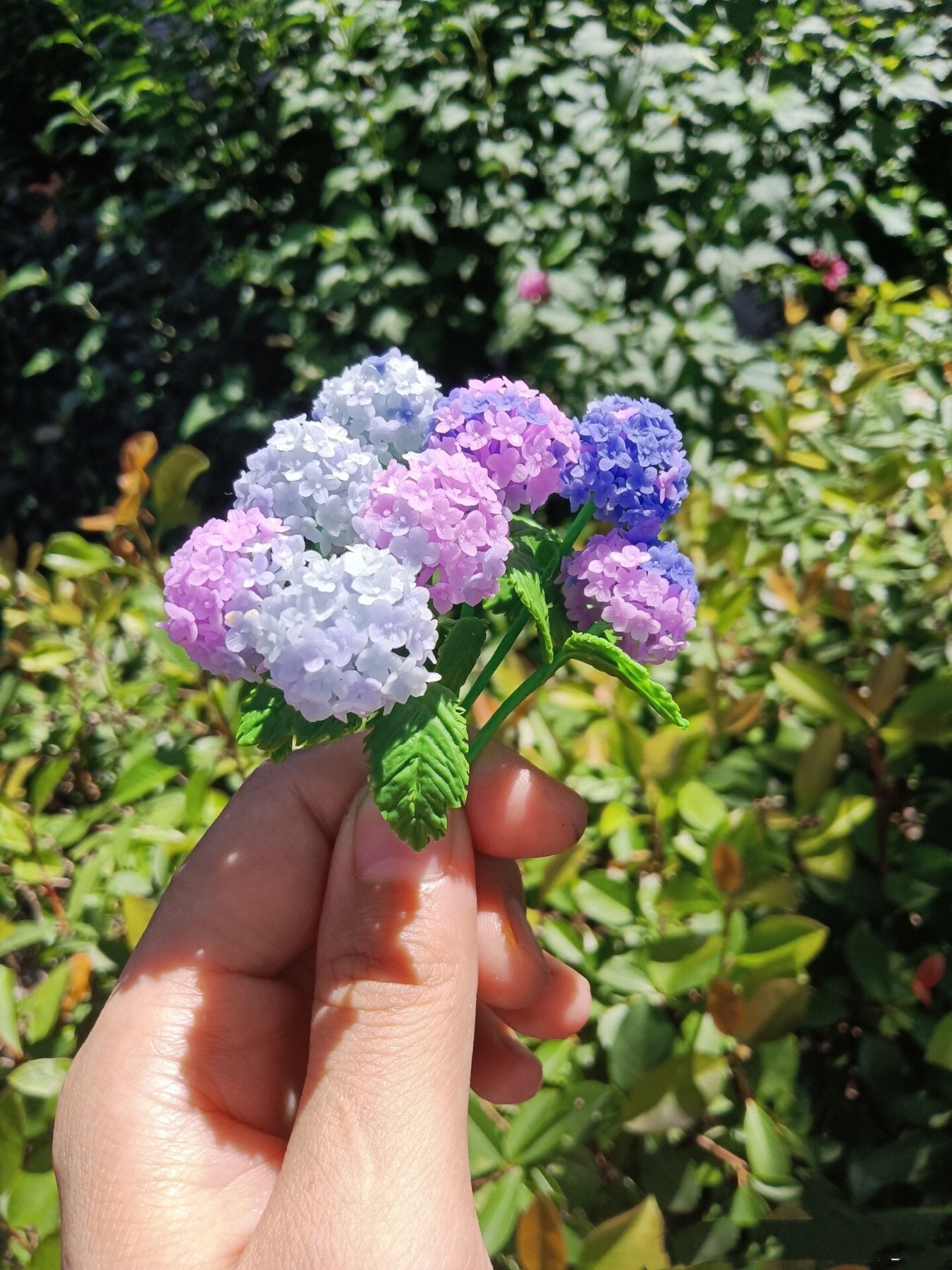
Miniature hydrangeas are a great choice for small spaces. They are not as difficult to care for as larger hydrangeas, and they can still produce beautiful flowers.

Post a Comment for "How To Grow Hydrangeas Indoors For A Summer Of Blooms"